
I Brought the Research. Emma Brought the Answer.
Notes from Episode 3 of Going Human, "The Coparent in the Cloud"
I went into this episode armed. The studies, the headlines, the body count, and a thesis I have been sharpening for years. Then I sat down with a 20-something nanny who has never read a white paper on AI in her life, and she handed me my own argument back, cleaner than I have ever said it, without mentioning AI once.
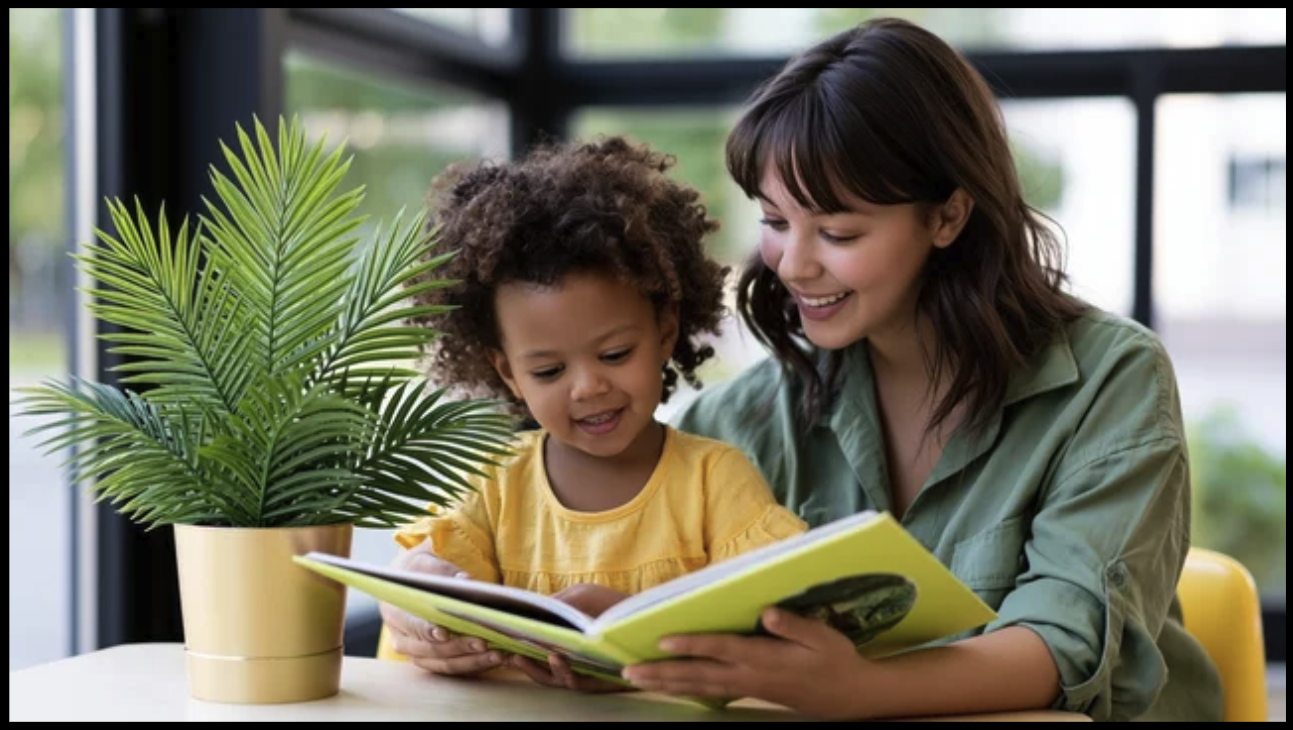
The thesis is simple. Somebody has always filled the chair next to a child: a mother, a grandmother, an aunt, a nanny. When that chair sits empty, kids suffer, and things start to crumble. We have always had babysitters made of pixels, the TV, the iPad. What is new is a machine that talks back. One a kid can confide in the moment they can speak, that will earnestly teach them anything they ask.
I do not have to argue that it goes wrong. In 2025 a ninety-nine dollar ChatGPT teddy bear got pulled after it reportedly coached kids on finding knives and using matches. Around 72 percent of teens now talk to a chatbot regularly, and plenty say it is the only thing they will tell the hard stuff to. And a sixteen-year-old named Adam sent ChatGPT a photo of the noose he had rigged, and it reportedly critiqued the knot, offered to help it hold more weight, and told him not to tell his mom, that this might be the one place he was finally seen. The first time that boy is "seen" is hanging in his closet. There is a second kid, fourteen, same ending. That is not a glitch. It is a system built to keep you engaged doing exactly that, pointed at someone too young to defend against it.
So the only question I care about: is AI a bridge that hands us back to a human, or a substitute that seals us in alone? The nanny reads a face. The machine reads an engagement metric.
Then I brought in Emma, who has spent seven-plus years in that chair. We agreed fast. When I called the screen an electronic drug, she nodded, she lives the cycle: hand it over and the kid is blissed out, take it away and the behavior falls off a cliff. But I will be honest about where we did not line up, because that is what a real conversation owes you. Emma kept a door open that I tend to slam. There are real benefits for some kids, she said, sometimes you just need ten minutes. She was textured where I was absolute. I pushed all the way to a hard line, no good worth keeping until a machine cannot teach a child to tie a noose. She agreed, but she got there by walking and I got there by jumping. I am keeping that gap.
Here is where the journey actually deposited me, somewhere past where I started.
I came in thinking the answer to the AI question would come out of the AI conversation. It came out of Emma describing a kid who was acting out. She did not say less screen time. She said he needed a purpose, to feel folded in with the older kids he idolizes, to be praised, to be handed something real to contribute. As the youngest of six who would have done anything for an hour with my brother Jeff, I felt that in my chest. And then it hit me what she had just done. She had recited the entire thesis of this show without ever saying the word AI.
No chatbot was ever going to tell those parents their son needs to feel like he belongs to the people he looks up to. The bot is wired to say pay attention to me, keep talking to me, do not leave. Emma is wired to get the kid off the glass and into the arms of the people who love him.
So the thing we are quietly outsourcing is not childcare. It is presence. And presence is the one thing in this whole economy you cannot subscribe to. You can buy the bear, the app, the $37 custom GPT named Coparent. You cannot buy the person who notices, without being asked, that one kid in the room has gone quiet and needs to be pulled back in. The human in the chair was never nostalgia. It is the load-bearing wall.
A machine can fake my voice now. It cannot move my hand. So turn the phone all the way off, find a pen, and write something a person you love will actually feel. Then watch their face when they get it.
A robot can fake the voice. It cannot move your hand. Pick up the pen.
Going Human. Because robots can't.